Emergency Response
Quick Contact
- Along Mandera Road
- +254 722 623358 / +254 723 274093
- faidainitiative.org
Overview
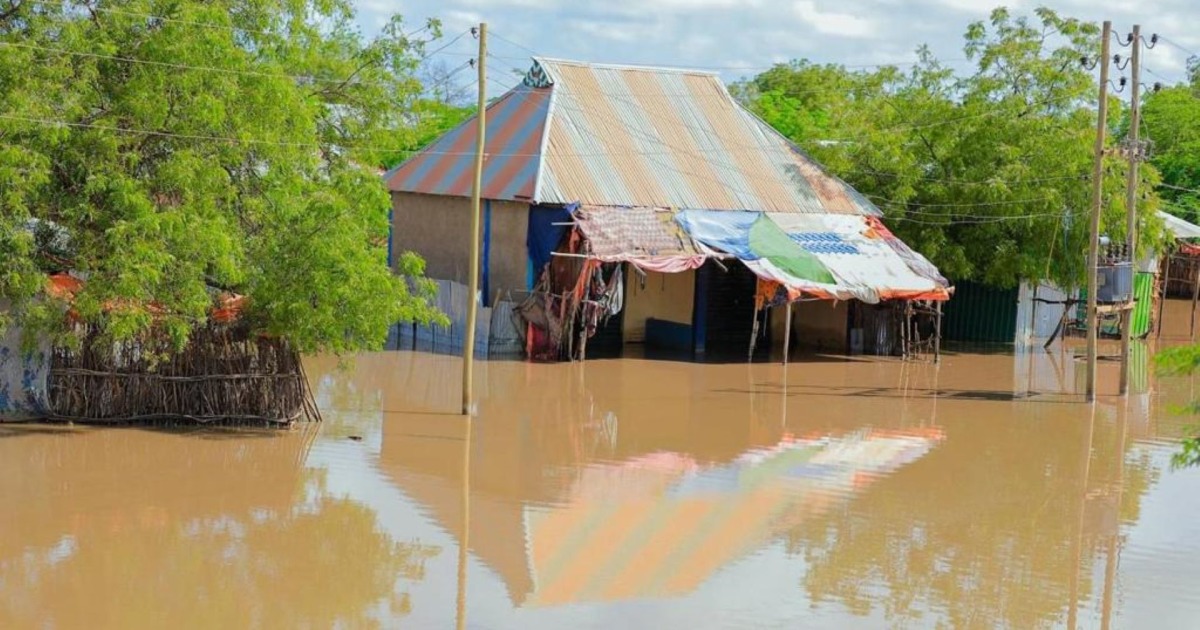
Wajir County and the broader arid and semi-arid regions of Kenya are highly vulnerable to recurrent droughts, floods, and other natural hazards that threaten lives, livelihoods, and community well-being. Faida Initiative is committed to building community capacity to respond effectively to emergencies through integrated approaches that combine preparedness, rapid response, and long-term resilience building. Our emergency response programs are designed to save lives, protect livelihoods, and ensure that affected communities receive timely and appropriate assistance during times of crisis.
Our Approach
We recognize that effective emergency response requires more than just reactive interventions. Our approach is grounded in the principles of disaster risk reduction, which emphasize the importance of preparedness, early warning, and community engagement. We work alongside communities to strengthen their capacity to anticipate, withstand, and recover from shocks. By integrating local knowledge with modern disaster management practices, we ensure that our response efforts are timely, appropriate, and sustainable.
Key Program Areas
Disaster Risk Reduction and Preparedness
Preparedness is the foundation of effective emergency response. We work with communities to develop and strengthen disaster risk reduction strategies that reduce vulnerability and enhance resilience. Our activities include community risk assessments, development of emergency response plans, and establishment of early warning systems that enable communities to anticipate and prepare for impending hazards. We also support the formation and training of community disaster management committees that serve as the first line of response during emergencies.
Early Warning Systems
Timely information can save lives. We support the establishment and strengthening of community-based early warning systems that monitor environmental conditions and provide advance notice of potential hazards. These systems combine scientific data from meteorological agencies with traditional knowledge and local observations. We work with communities to ensure that early warning information reaches all members, including the most vulnerable, and that they understand how to respond when warnings are issued.
Contingency Funds and Resource Mobilization
Effective emergency response requires access to resources that can be deployed quickly. We advocate for the establishment of contingency funds that enable rapid response to crises such as droughts, floods, and disease outbreaks. These funds support the procurement and distribution of emergency supplies, the deployment of response teams, and the implementation of early action interventions that mitigate the impact of impending hazards.
Livelihood Protection and Recovery
Emergencies often have devastating impacts on livelihoods, particularly for pastoralist and agro-pastoralist communities that depend on livestock and crops for their survival. Our response efforts include interventions that protect livelihoods during crises and support recovery in the aftermath. This includes provision of animal feed and water during drought, support for restocking after livestock losses, and assistance for households to resume agricultural activities. By protecting livelihoods, we help communities recover more quickly and reduce the long-term impacts of emergencies.